We’re living in unprecedented, challenging times. If you’re feeling stressed and scared, you’re not alone. However, there is a way to navigate through all of this uncertainty: gratitude. Studies have shown that keeping in mind the things you’re grateful for on a regular basis not only helps you mentally but also physically, which is something we all need these days.
Gratitude Improves Your Immune System
According to Lisa Aspinwall, Ph.D., a psychology professor at the University of Utah, there’s data to back this up. In one study, researchers compared the immune systems of healthy, first-year law students who were under stress and characterized themselves as optimistic to their more pessimistic classmates. Result: The former maintained a higher number of blood cells, which protect the immune system. Specifically, white blood cells are key players in your immune system and move through blood and tissue looking for foreign invaders (microbes) such as bacteria, viruses, parasites and fungi. When they find them, they launch an immediate attack. Tip: The moment you notice that you’re appreciative of something – the sun is shining, the sky is blue, you have clean water to drink – stop and savor. Bask in the experience.
Gratitude Affects Your Brain
When you’re feeling appreciative, it wires and fires new neural connections to the bliss center and enhances dopamine and serotonin, the neurotransmitters responsible for happiness. Gratitude also reduces fear and anxiety by regulating the stress hormones; and it fosters cognitive restructuring by evoking positive thinking. Tip: When you’re eating, give thanks for the bounty before you. Make mealtimes mindful.
Gratitude Reduces Pain
In the research report, Count Blessings Versus Burdens (2003), patients who kept a gratitude journal reported reduced pain symptoms and were more inclined to work out and cooperate with the treatment procedures. A deeper dive revealed that by regulating the level of dopamine, gratitude fills us with more vitality, which reduced the subjective feelings of pain. Tip: Try keeping a journal. If you think you have nothing to be grateful for, think about all the little things you have. You might find that you’re taking for granted certain abilities or privileges you have that others don’t.
Gratitude Affects Sleep
Studies have shown that receiving and displaying simple acts of kindness activates the hypothalamus, and thereby regulates all bodily mechanisms controlled by the hypothalamus, one of which is sleep. The hypothalamic regulation by gratitude helps us get deeper and healthier sleep, naturally. Tip: Hold the door for a stranger. Let someone have that parking space you both came upon. Share that compliment that’s on the tip of your tongue. To give is to receive. You might just rest easier.
Gratitude Gets Rid of Toxic Emotions
The limbic system is the part of the brain that’s responsible for all emotional experiences. It consists of the thalamus, hypothalamus, amygdala, hippocampus, and cingulate gyrus. Research has shown that the hippocampus and amygdala, the two main sites regulating emotions, memory, and bodily functioning, get activated with feelings of gratitude. Specifically, what we call emotions or feelings are neural activations in the neocortical regions of the brain (Moll et al. 2005). Further, a study conducted on people who were looking for mental health guidance revealed that those who wrote letters of gratitude, in addition to having regular counseling, felt better and recovered sooner. In the other group, people who journaled about their negative feelings felt anxious and depressed. Tip: In addition to journaling, maybe there’s a letter you need to write to someone expressing how you feel, releasing a past hurt. The simple act of writing can be powerful. You don’t even have to send it to feel better.
Right now, when we’re faced with so many unknowns, staying present and giving thanks can do a world of good. Give it a try and see.
November 1, 2020 · Blog, Tip of the Month, Uncategorized
⏱ 4 min read
We’re living in unprecedented, challenging times. If you’re feeling stressed and scared, you’re not alone. However, there is a way to navigate through all of this uncertainty: gratitude. Studies have shown that keeping in mind the things you’re grateful for on a regular basis not only helps you mentally but also physically, which is something we all need these days.
Gratitude Improves Your Immune System
According to Lisa Aspinwall, Ph.D., a psychology professor at the University of Utah, there’s data to back this up. In one study, researchers compared the immune systems of healthy, first-year law students who were under stress and characterized themselves as optimistic to their more pessimistic classmates. Result: The former maintained a higher number of blood cells, which protect the immune system. Specifically, white blood cells are key players in your immune system and move through blood and tissue looking for foreign invaders (microbes) such as bacteria, viruses, parasites and fungi. When they find them, they launch an immediate attack. Tip: The moment you notice that you’re appreciative of something – the sun is shining, the sky is blue, you have clean water to drink – stop and savor. Bask in the experience.
Gratitude Affects Your Brain
When you’re feeling appreciative, it wires and fires new neural connections to the bliss center and enhances dopamine and serotonin, the neurotransmitters responsible for happiness. Gratitude also reduces fear and anxiety by regulating the stress hormones; and it fosters cognitive restructuring by evoking positive thinking. Tip: When you’re eating, give thanks for the bounty before you. Make mealtimes mindful.
Gratitude Reduces Pain
In the research report, Count Blessings Versus Burdens (2003), patients who kept a gratitude journal reported reduced pain symptoms and were more inclined to work out and cooperate with the treatment procedures. A deeper dive revealed that by regulating the level of dopamine, gratitude fills us with more vitality, which reduced the subjective feelings of pain. Tip: Try keeping a journal. If you think you have nothing to be grateful for, think about all the little things you have. You might find that you’re taking for granted certain abilities or privileges you have that others don’t.
Gratitude Affects Sleep
Studies have shown that receiving and displaying simple acts of kindness activates the hypothalamus, and thereby regulates all bodily mechanisms controlled by the hypothalamus, one of which is sleep. The hypothalamic regulation by gratitude helps us get deeper and healthier sleep, naturally. Tip: Hold the door for a stranger. Let someone have that parking space you both came upon. Share that compliment that’s on the tip of your tongue. To give is to receive. You might just rest easier.
Gratitude Gets Rid of Toxic Emotions
The limbic system is the part of the brain that’s responsible for all emotional experiences. It consists of the thalamus, hypothalamus, amygdala, hippocampus, and cingulate gyrus. Research has shown that the hippocampus and amygdala, the two main sites regulating emotions, memory, and bodily functioning, get activated with feelings of gratitude. Specifically, what we call emotions or feelings are neural activations in the neocortical regions of the brain (Moll et al. 2005). Further, a study conducted on people who were looking for mental health guidance revealed that those who wrote letters of gratitude, in addition to having regular counseling, felt better and recovered sooner. In the other group, people who journaled about their negative feelings felt anxious and depressed. Tip: In addition to journaling, maybe there’s a letter you need to write to someone expressing how you feel, releasing a past hurt. The simple act of writing can be powerful. You don’t even have to send it to feel better.
Right now, when we’re faced with so many unknowns, staying present and giving thanks can do a world of good. Give it a try and see.
These articles provide general information on tax, accounting, and financial topics for small businesses and individuals. They are educational in nature and are not specific legal, accounting, financial, tax, or other professional advice, and should not be relied upon as such. This content was prepared by Service2Client and may have been reviewed or edited by the website owner for accuracy and compliance. Look for a trust mark below for verification details. No representation is made that any approach described will achieve a particular result, and no regulatory or professional body has reviewed or endorsed this content. Because each situation is different, readers should consult a qualified professional about their specific circumstances before acting. Images accompanying these articles are protected by copyright and may not be copied or reused.
Due to the uncertainty of COVID-19, many schools across America have transitioned to at-home learning. This alone presents a whole new set of challenges for parents, not the least of which is figuring out what to feed your kids for lunch – every single day of the week. While peanut butter and jelly is a reliable standby, here are some cheap, easy alternatives you can whip up in no time.
English Muffin Pizza
Grab some English muffins and top them with pizza sauce or marinara. Either one will work. (Hint: use the store brand because it’s comparable and usually costs less.) If you like, you can even add shredded cheese. Put them in a toaster oven and bake. Now comes the fun part: create a face. Use olives for the nose and eyes. Cut up yellow, red, and green peppers into thin slices to form a mouth and eyebrows. For the extra peppers, use ranch dressing for dipping. This one is fun and healthy!
Lunchables Knockoff
Pre-packaged meals generally cost more. So why not create your own version of this lunch-time favorite and save some money? Buy round, butter crackers with ridges on the edge (like Ritz, but buy the store brand); round, sliced lunch meat; and small, sliced squares of cheese. Place each in the spaces in a plastic divided container. Cut up some fruit (apples, pears, anything you like) and serve. If natural sugar isn’t enough for your little ones, throw in a cookie.
Pita Pockets
You can stuff these full of anything you like. Making tuna salad for a filler is always delish but takes a bit of prep, so for time’s sake, add lunch meat. After that, add lettuce and anything else your child likes. Maybe some tomatoes or cucumbers, then add a condiment, mustard, or mayo. For a side, choose local, seasonal produce. It’s always cheaper than out-of-season choices.
Meat-Free Lunch
Purchasing meat can get expensive, so why not go veggie for a few days? Your DIY lunch kit might include cheese cubes, crackers, cherry (or grape) tomatoes, and green or purple grapes. If you get inspired, cut up apples and bananas into bite-sized portions. Throwing in some nuts for a little extra crunch is always a good idea, too. If you want to make these meals a regular thing, buy reusable, compartmentalized containers like EasyLunchBoxes, affordably priced at $14 for four. You can also buy them on Amazon. Carve out some time on a Saturday afternoon and make these in bulk to save time during your busy week. You might even ask the kids to help!
Ants on a Log
Cut up some celery (the logs). Fill with peanut butter, then sprinkle raisins on top (the ants). Serve with cheese cubes, graham crackers, yogurt, and/or fresh fruit. Kids love this one, especially because of the funny name.
Pancake Lunch
Everyone loves Saturday morning pancakes, so why not serve them for lunch, too? Here’s a thought: prepare a double batch of pancakes, plus bacon and fresh fruit on the weekend; then save half for Monday and pop them in the microwave. This way, you won’t have to prepare them twice. Don’t forget the syrup!
Cottage Cheese and Fruit
This lunch might well be the quickest of all to make. Place two scoops of cottage cheese in a leak-proof container, then add some canned fruit such as peaches, pineapple or mandarin oranges. Crackers (graham or saltines) with a little vat of peanut butter for dipping completes this easy, peasy meal.
We hope that these cost-saving lunches help save time and worry. With all that’s going on, you’ve got enough on your plate!
October 1, 2020 · Blog, Tip of the Month, Uncategorized
⏱ 4 min read
Due to the uncertainty of COVID-19, many schools across America have transitioned to at-home learning. This alone presents a whole new set of challenges for parents, not the least of which is figuring out what to feed your kids for lunch – every single day of the week. While peanut butter and jelly is a reliable standby, here are some cheap, easy alternatives you can whip up in no time.
English Muffin Pizza
Grab some English muffins and top them with pizza sauce or marinara. Either one will work. (Hint: use the store brand because it’s comparable and usually costs less.) If you like, you can even add shredded cheese. Put them in a toaster oven and bake. Now comes the fun part: create a face. Use olives for the nose and eyes. Cut up yellow, red, and green peppers into thin slices to form a mouth and eyebrows. For the extra peppers, use ranch dressing for dipping. This one is fun and healthy!
Lunchables Knockoff
Pre-packaged meals generally cost more. So why not create your own version of this lunch-time favorite and save some money? Buy round, butter crackers with ridges on the edge (like Ritz, but buy the store brand); round, sliced lunch meat; and small, sliced squares of cheese. Place each in the spaces in a plastic divided container. Cut up some fruit (apples, pears, anything you like) and serve. If natural sugar isn’t enough for your little ones, throw in a cookie.
Pita Pockets
You can stuff these full of anything you like. Making tuna salad for a filler is always delish but takes a bit of prep, so for time’s sake, add lunch meat. After that, add lettuce and anything else your child likes. Maybe some tomatoes or cucumbers, then add a condiment, mustard, or mayo. For a side, choose local, seasonal produce. It’s always cheaper than out-of-season choices.
Meat-Free Lunch
Purchasing meat can get expensive, so why not go veggie for a few days? Your DIY lunch kit might include cheese cubes, crackers, cherry (or grape) tomatoes, and green or purple grapes. If you get inspired, cut up apples and bananas into bite-sized portions. Throwing in some nuts for a little extra crunch is always a good idea, too. If you want to make these meals a regular thing, buy reusable, compartmentalized containers like EasyLunchBoxes, affordably priced at $14 for four. You can also buy them on Amazon. Carve out some time on a Saturday afternoon and make these in bulk to save time during your busy week. You might even ask the kids to help!
Ants on a Log
Cut up some celery (the logs). Fill with peanut butter, then sprinkle raisins on top (the ants). Serve with cheese cubes, graham crackers, yogurt, and/or fresh fruit. Kids love this one, especially because of the funny name.
Pancake Lunch
Everyone loves Saturday morning pancakes, so why not serve them for lunch, too? Here’s a thought: prepare a double batch of pancakes, plus bacon and fresh fruit on the weekend; then save half for Monday and pop them in the microwave. This way, you won’t have to prepare them twice. Don’t forget the syrup!
Cottage Cheese and Fruit
This lunch might well be the quickest of all to make. Place two scoops of cottage cheese in a leak-proof container, then add some canned fruit such as peaches, pineapple or mandarin oranges. Crackers (graham or saltines) with a little vat of peanut butter for dipping completes this easy, peasy meal.
We hope that these cost-saving lunches help save time and worry. With all that’s going on, you’ve got enough on your plate!
These articles provide general information on tax, accounting, and financial topics for small businesses and individuals. They are educational in nature and are not specific legal, accounting, financial, tax, or other professional advice, and should not be relied upon as such. This content was prepared by Service2Client and may have been reviewed or edited by the website owner for accuracy and compliance. Look for a trust mark below for verification details. No representation is made that any approach described will achieve a particular result, and no regulatory or professional body has reviewed or endorsed this content. Because each situation is different, readers should consult a qualified professional about their specific circumstances before acting. Images accompanying these articles are protected by copyright and may not be copied or reused.
These days, you can’t be too careful when it comes to investments. And if you’re older, you’re a prime target for fraudsters. That said, anyone of any age is vulnerable. Here are a few key things to keep in mind when you’re considering investing.
Ask Lots of Questions
Of course, you’re going to ask questions, but make sure you ask the right ones. Is the product registered with the SEC or state securities agencies? What are the fees? How does the company make money? What things might affect the value of the investment? Are my investment goals aligned with the investment? How liquid is this investment? For more ideas about what questions to ask, check out this comprehensive resource from the U.S. Securities and Exchange Commission.
Do Your Research
And we don’t mean simply Googling them. If you’re thinking about investing in a publicly traded company, go immediately to the SEC’s EDGAR database. You can look up the prospective company to see if it’s legitimate.
Beware of Unbelievable Returns
If something sounds too good to be true, chances are it is. If you hear that the investment will make “incredible gains,” is a “breakout stock pick” or has a “huge upside and almost no risk,” these are big red flags of fraud. Further, if the salesperson promises a guaranteed return, you know this isn’t true; every equity investment has a modicum of risk.
Resist ‘Act Now’ Offers
If someone tells you that this investment is a once-in-a-lifetime offer and it will be gone tomorrow, walk away. Another scam tactic is one that claims “everyone is investing in X stock, and so should you.” As irresistible as this might sound, don’t succumb to the pressure. It’s a trick.
Avoid Reciprocity
One of the most common lures that tricksters use are free seminars that include lunch. They play on your guilt and figure that if they do something for you, you’ll return the favor and invest. It’s never a good idea to invest on the spot. Take the materials home and do your research. With that said, not every free seminar is bogus. Just follow through with your due diligence and protect yourself.
Know Your Salesperson
We’re not talking “know,” as in you follow them on social media or you have a number of mutual friends and they come highly recommended. But even if you’re connected with them through a seemingly respected company and you “feel” like they’re trustworthy, don’t trust blindly. Check them out at BrokerCheck, an online database maintained by the Financial Industry Regulatory Authority (FINRA). This is a nongovernmental group that watches over securities firms and dealers. Remember: credibility can be faked. Don’t be duped.
Stay Away from Robocalls, Emails and Late Night TV ads
Let’s be honest, legitimate companies don’t reach people this way. However, swindlers can be very persuasive. But stand your ground. Don’t budge. When it comes to seniors, crooks view them as “more trusting” and less likely to say no. The truth is that older people are more often targeted because the supposition is that they have more assets to tap into – aka steal. Don’t let these buggers woo you. Hang up, hit delete or change the TV channel.
If you’ve taken every precaution and you still feel like you need help before you make an investment decision, consult your accountant or financial planner. When it comes to your hard-earned money, it’s worth all the time in the world.

 We’re living in unprecedented, challenging times. If you’re feeling stressed and scared, you’re not alone. However, there is a way to navigate through all of this uncertainty: gratitude. Studies have shown that keeping in mind the things you’re grateful for on a regular basis not only helps you mentally but also physically, which is something we all need these days.




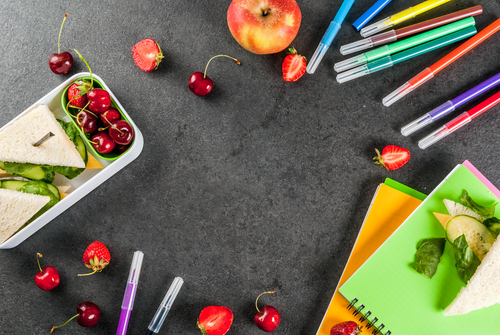 Due to the uncertainty of COVID-19, many schools across America have transitioned to at-home learning. This alone presents a whole new set of challenges for parents, not the least of which is figuring out what to feed your kids for lunch – every single day of the week. While peanut butter and jelly is a reliable standby, here are some cheap, easy alternatives you can whip up in no time.